
Your podcast didn’t die; it got a camera.
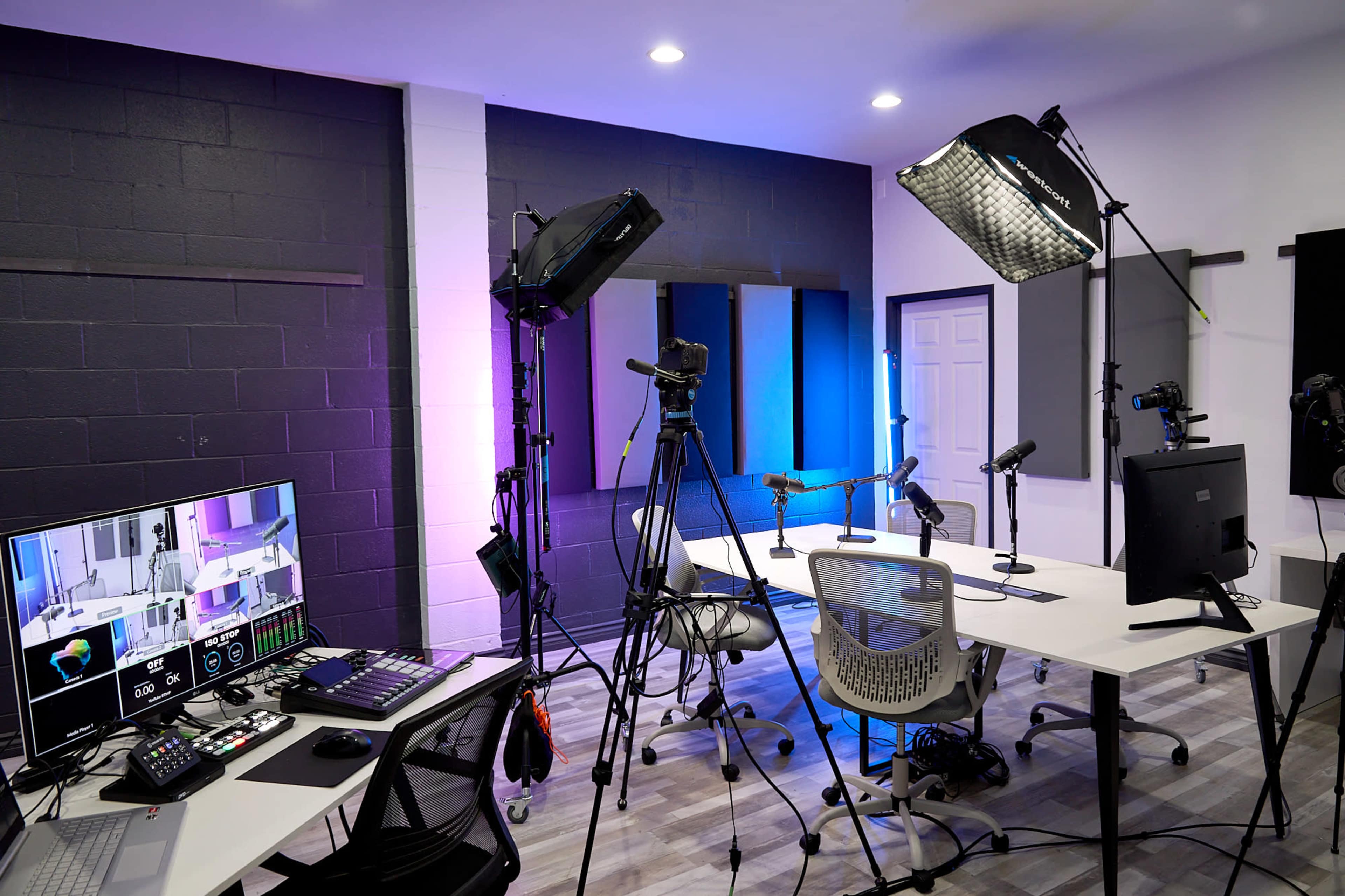
If you’ve been feeling a faint disturbance in the force—like millions of earbuds suddenly swiveling toward YouTube—you’re not imagining it. In Q1 2026, the podcast world didn’t exactly “pivot.” It lunged.
The headline making the rounds is spicy: “40% of podcasts added video in Q1 2026.”
And whether that stat makes you cheer, groan, or clutch your pop filter protectively, it points to one unavoidable truth:
Audio-only isn’t dead. But it’s no longer the default.
I’m Don Jackson, and at The Raven Media Group, we’ve been watching this shift up close—helping creators, brands, and media teams turn podcasts into visual-first, multi-platform engines without turning them into awkward webcam meetings with theme music.
So let’s talk about what’s really happening—and what to do before your podcast gets outflanked by someone with two cameras and a decent haircut.
Audio isn’t dying. It’s getting promoted.
Let’s clear the air (and the waveform): people still love audio. They love it while driving, lifting, walking the dog, doomscrolling—sorry, researching the news. Audio is still the most frictionless format ever created.
But podcasting isn’t only competing with other podcasts anymore. It’s competing with:
- YouTube creators who post three times a week like it’s cardio
- TikTok explainers that turn complex topics into 30-second mic drops
- LinkedIn video “thought leaders” who speak exclusively in bullet points
- Streaming platforms that reward watch time, not listen time
Audio didn’t lose. The battlefield changed.
And in 2026, audiences are saying: “We’ll still listen… but we also want to see.”
Why 40% added video (and why it happened fast)
If you’re wondering why this spiked in Q1 2026 specifically, here’s what’s really going on under the hood.
1) Discovery is allergic to audio
Audio is hard to sample. You can’t “see” a podcast at a glance. Video, however, is instantly legible: thumbnail, guest face, set design, captions, vibes.
Platforms reward what they can understand quickly. Video gives algorithms handles.
2) Short-form clips became the new billboard
Your full episode is the product. But your clips are the distribution.
If you’re not turning one conversation into 10–30 bite-size moments, you’re basically opening a restaurant… and refusing to put up a sign.
3) Trust is visual now
Audio builds intimacy. Video adds credibility.
When viewers can see your guest’s expression, your reaction, that moment where everyone laughs at the same time—your show feels more “real.” And real is currency.
4) Sponsors want proof of life (and brand visibility)
Sponsors love audio, but they obsess over visibility. Video gives them:
- Logo placement
- Product shots
- Branded frames
- Social-ready snippets
Translation: video makes sponsorships easier to sell—and easier to renew.
5) Tools got cheaper, simpler, and less annoying
The tech stack matured. Remote recording got cleaner. Editing workflows got faster. Cameras got better. And yes, even your phone can produce something that looks like “we meant to do this.”
Video is no longer a Hollywood decision. It’s a workflow decision.

The real question: are you a podcast… or a content engine?
Adding video isn’t just “turning on a camera.” It’s admitting something bigger:
A podcast can be a weekly show.
Or it can be the core of a full-stack content engine.
When you add video, you unlock an entire ecosystem:
- Full episode on YouTube + audio platforms
- 9:16 vertical clips for Reels/Shorts/TikTok
- Quote cards for LinkedIn
- Newsletter takeaways
- Blog posts optimized for search
- Sales enablement clips for your team
- Speaking reels that land you stages
- Evergreen “best of” compilations
The podcast stops being a file. It becomes a factory.
And the hosts who lean into that are the ones who will own the next era.
Reach out to find out how I can help you succeed with your efforts with podcasting and video.


